Customer experience has become the defining competitive differentiator across service industries worldwide. Organizations previously competing on price or product features now recognize that superior service delivery—particularly how they manage customer waiting experiences—determines long-term success. Disorganized queues create anxiety, frustration, and negative brand associations that drive customers toward competitors. Strategic queue management implementation transforms waiting from a necessary inconvenience into a structured, dignified experience that demonstrates organizational respect for customer time while simultaneously improving operational metrics and staff productivity.
Queue Management System
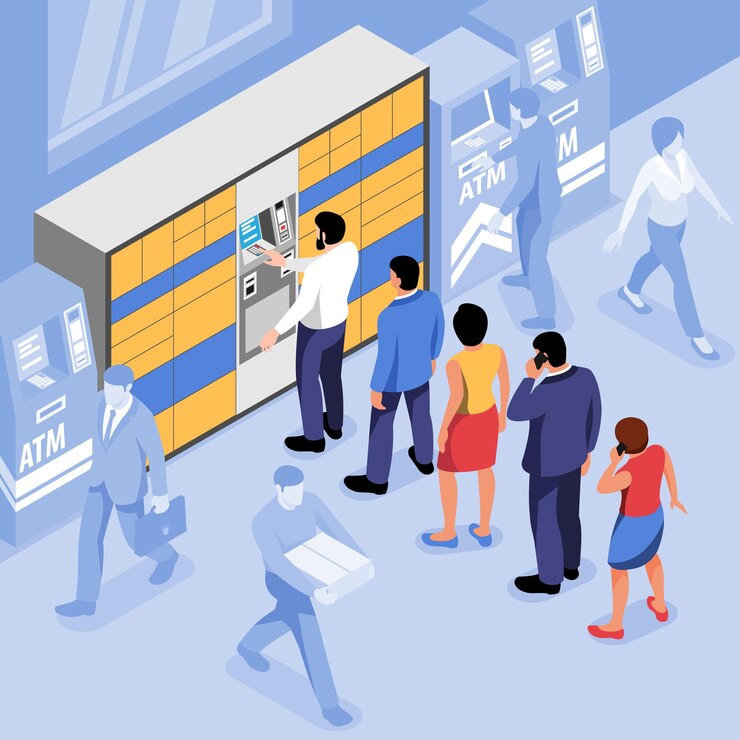
A queue management system revolutionizes how organizations handle customer flow through intelligent automation replacing chaotic physical lines with organized digital processes. These sophisticated platforms utilize electronic ticketing where customers receive numbered tickets from kiosks or mobile applications, eliminating the stress of maintaining physical queue positions. Automated voice and display announcements direct customers to available service counters precisely when staff are ready, ensuring zero idle time at service points while customers wait comfortably in seating areas. Real-time dashboards provide management with instant visibility into queue lengths, average wait times, service durations, and staff performance, enabling dynamic resource allocation during unexpected rushes. Advanced systems incorporate predictive analytics identifying peak periods, forecasting demand patterns, and recommending optimal staffing schedules that balance customer service levels with labor costs. Multi-channel integration allows customers to join queues remotely via mobile apps or websites, receiving notifications when their turn approaches—reducing physical crowding particularly valuable during health concerns. Customer feedback modules embedded within queue systems collect satisfaction ratings immediately post-service, providing actionable insights for continuous improvement initiatives. Modern queue management systems serve diverse sectors: healthcare facilities managing patient appointments and walk-ins across multiple departments, banks handling various transaction types requiring different service times, government offices serving citizens seeking different services, retail stores managing peak shopping periods, telecommunications centers resolving technical issues, and educational institutions coordinating student services.
Queue Management System Dammam
Dammam, serving as Saudi Arabia’s Eastern Province capital and major industrial hub, hosts numerous service-oriented establishments requiring sophisticated customer flow management. Queue management systems in Dammam address challenges faced by the region’s extensive healthcare network including King Fahd Hospital and numerous private medical centers managing thousands of daily patients across multiple specialties, banking sector branches serving the region’s prosperous population and expatriate communities, government service centers including passport offices and civil affairs departments processing high volumes, and telecommunications providers operating customer service centers. The city’s role as a petrochemical industry center brings corporate facilities requiring visitor management and employee service coordination. Organizations in Dammam implementing queue management systems report significant improvements: 40-60% reductions in perceived wait times through better communication, 25-35% increases in service capacity from optimized staff utilization, enhanced customer satisfaction scores, and strengthened professional reputation attracting quality-conscious customers.
Queue Management System in Khobar
Khobar, the Eastern Province’s vibrant commercial and residential center, presents unique service management requirements driven by its cosmopolitan population, thriving retail sector, and proximity to Bahrain via King Fahd Causeway. Queue management systems in Khobar serve the city’s upscale shopping centers managing customer service desks and premium brand boutiques, modern healthcare facilities including specialized clinics and diagnostic centers, banking institutions in commercial districts, and hospitality sector venues coordinating guest services. Khobar’s affluent, internationally-experienced population expects service standards matching global cities—making professional queue management essential for competitive positioning. Systems deployed here often incorporate multi-language interfaces supporting Arabic, English, and other languages, VIP queue prioritization for premium customers, and aesthetic hardware designs complementing luxury retail and healthcare environments.
Solutions Provider: The Next Gen Technologies (thenextgentechnologies.com)
The Next Gen Technologies has established itself as a trusted queue management solutions provider throughout Saudi Arabia’s Eastern Province, with extensive deployments across Dammam, Khobar, and surrounding cities. Specializing in tailored implementations for healthcare, banking, government, retail, and corporate sectors, thenextgentechnologies.com delivers comprehensive solutions including needs assessment, system design, quality hardware procurement, professional installation, staff training programs, and continuous technical support ensuring sustainable service excellence improvements.
Conclusion
Organizations in Dammam, Khobar, and throughout the region investing in professional queue management systems through experienced providers like The Next Gen Technologies achieve measurable improvements in customer satisfaction, operational efficiency, and competitive market positioning.
Frequently Asked Questions (FAQs)
1. What return on investment can organizations expect from queue management systems? Organizations typically achieve ROI within 12-18 months through increased service capacity (handling 25-35% more customers with existing staff), reduced labor costs from optimized scheduling, decreased customer abandonment, and improved satisfaction driving retention. The Next Gen Technologies at thenextgentechnologies.com provides ROI calculators for specific scenarios.
2. How do queue management systems handle multiple service types with different priorities? Advanced systems support multi-queue configurations with priority rules, allowing emergency cases to bypass normal queues, VIP customers to receive expedited service, and different service types to route to specialized counters. Contact thenextgentechnologies.com for customized workflow design.
3. Can queue management systems operate in Arabic and English for Saudi locations? Absolutely! Systems deployed in Dammam and Khobar feature fully bilingual interfaces on customer kiosks, display screens, and mobile applications, with additional language support available for diverse populations. The Next Gen Technologies ensures culturally appropriate implementations.
4. What happens if the queue management system experiences technical issues? Quality systems include redundancy features and offline modes maintaining basic functionality during network disruptions. The Next Gen Technologies provides 24/7 technical support throughout Saudi Arabia with rapid on-site response for critical issues ensuring minimal service disruption.
5. How quickly can queue management systems be deployed in Dammam or Khobar facilities? Deployment timelines vary based on complexity and organization size, typically ranging from 1-2 weeks for single-location implementations to 3-6 weeks for multi-branch deployments with extensive customization. The Next Gen Technologies provides detailed project plans with clear milestones available through thenextgentechnologies.com.